 01
01
Responsibility
Taking responsibility together.
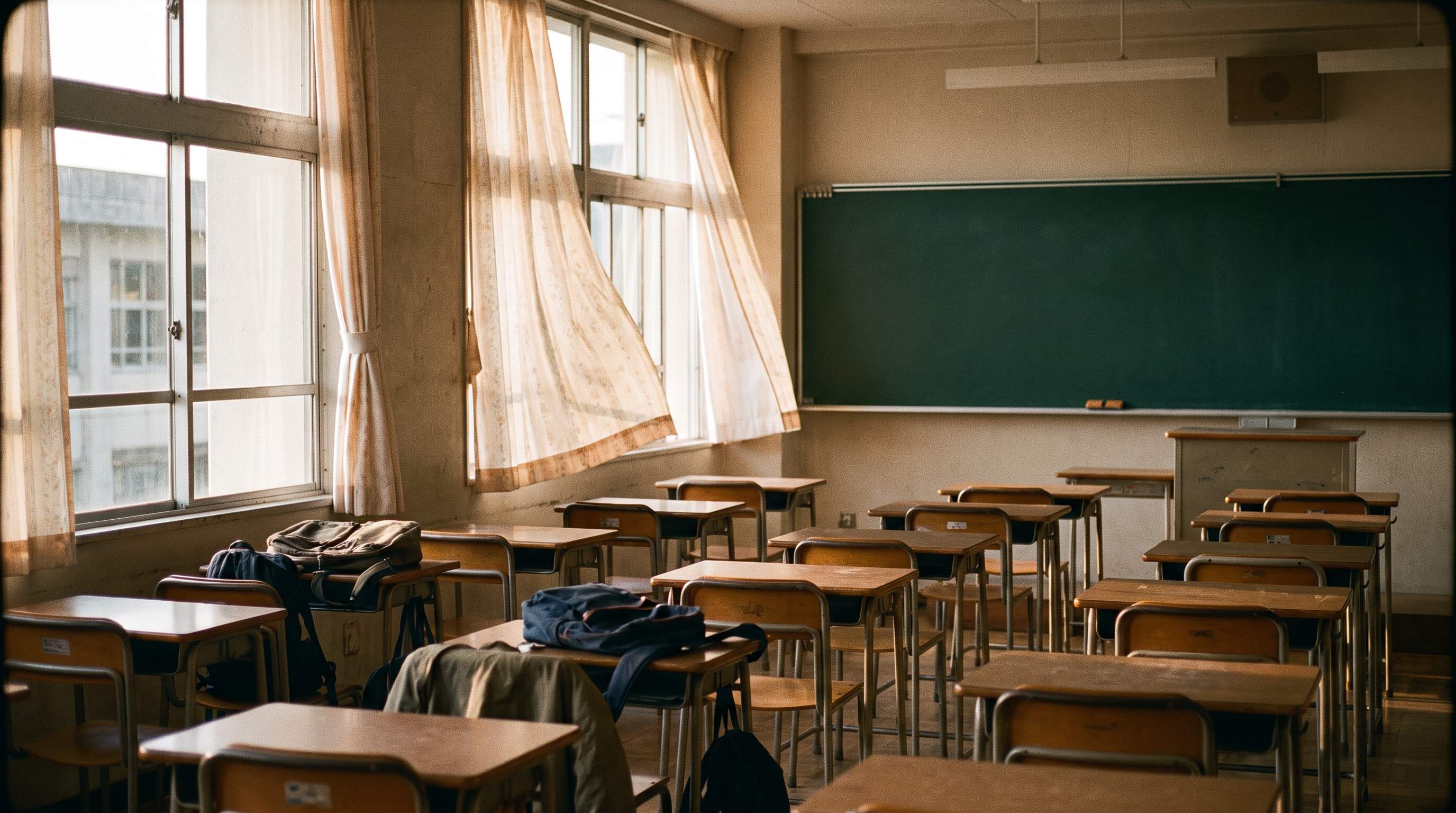
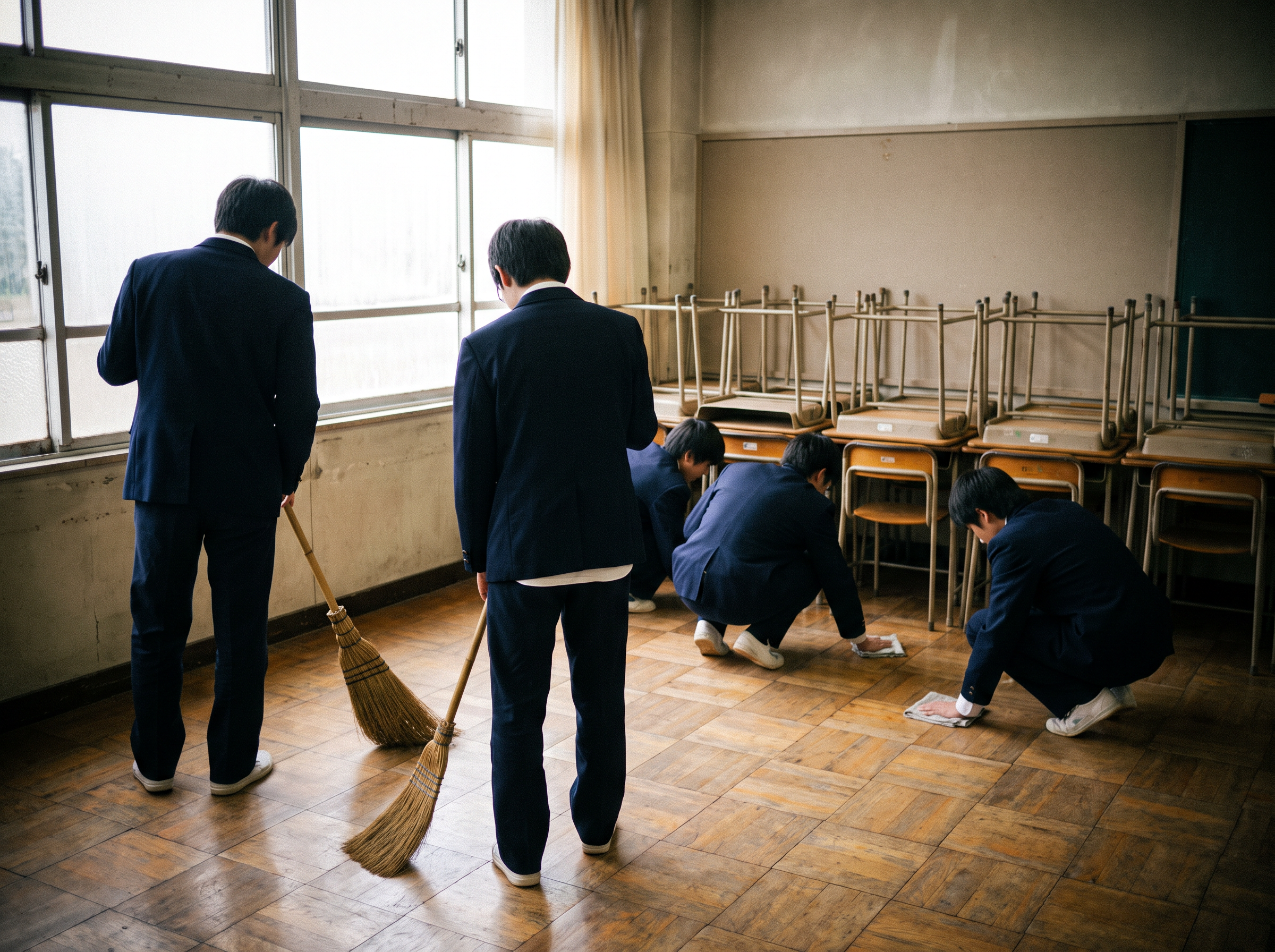
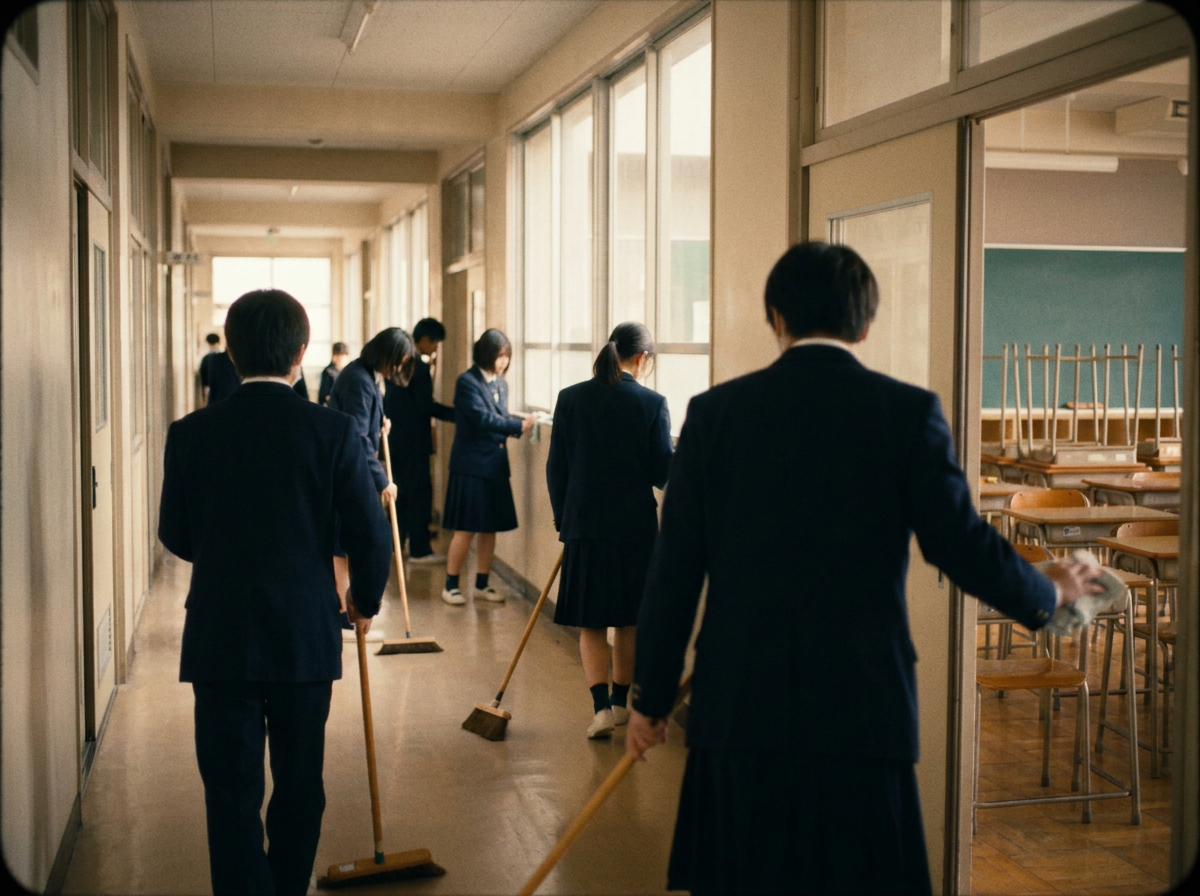
Students clean their classrooms and shared spaces alongside their classmates, learning that taking care of the place you share is part of everyday life.
Your student does not join a program built for visitors.
They join a Japanese school, as a student of that school.
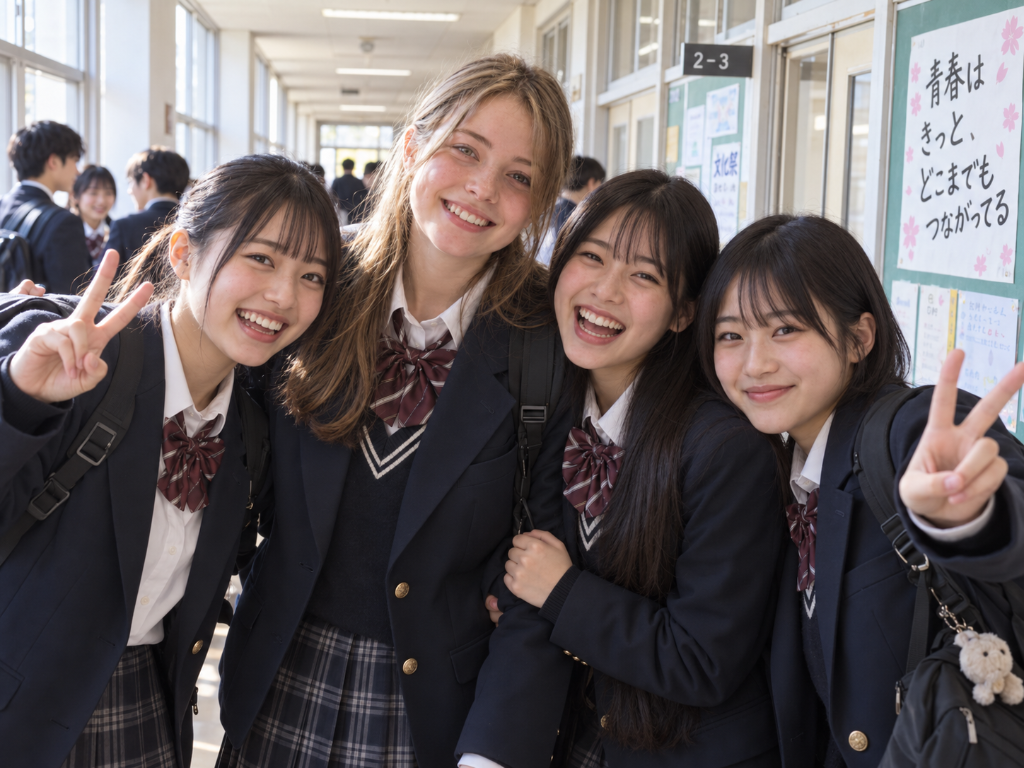
To understand Japanese culture, experience Japanese education.
01
Taking responsibility together.
Students clean their classrooms and shared spaces alongside their classmates, learning that taking care of the place you share is part of everyday life.
 02
02
Respect in everyday moments.
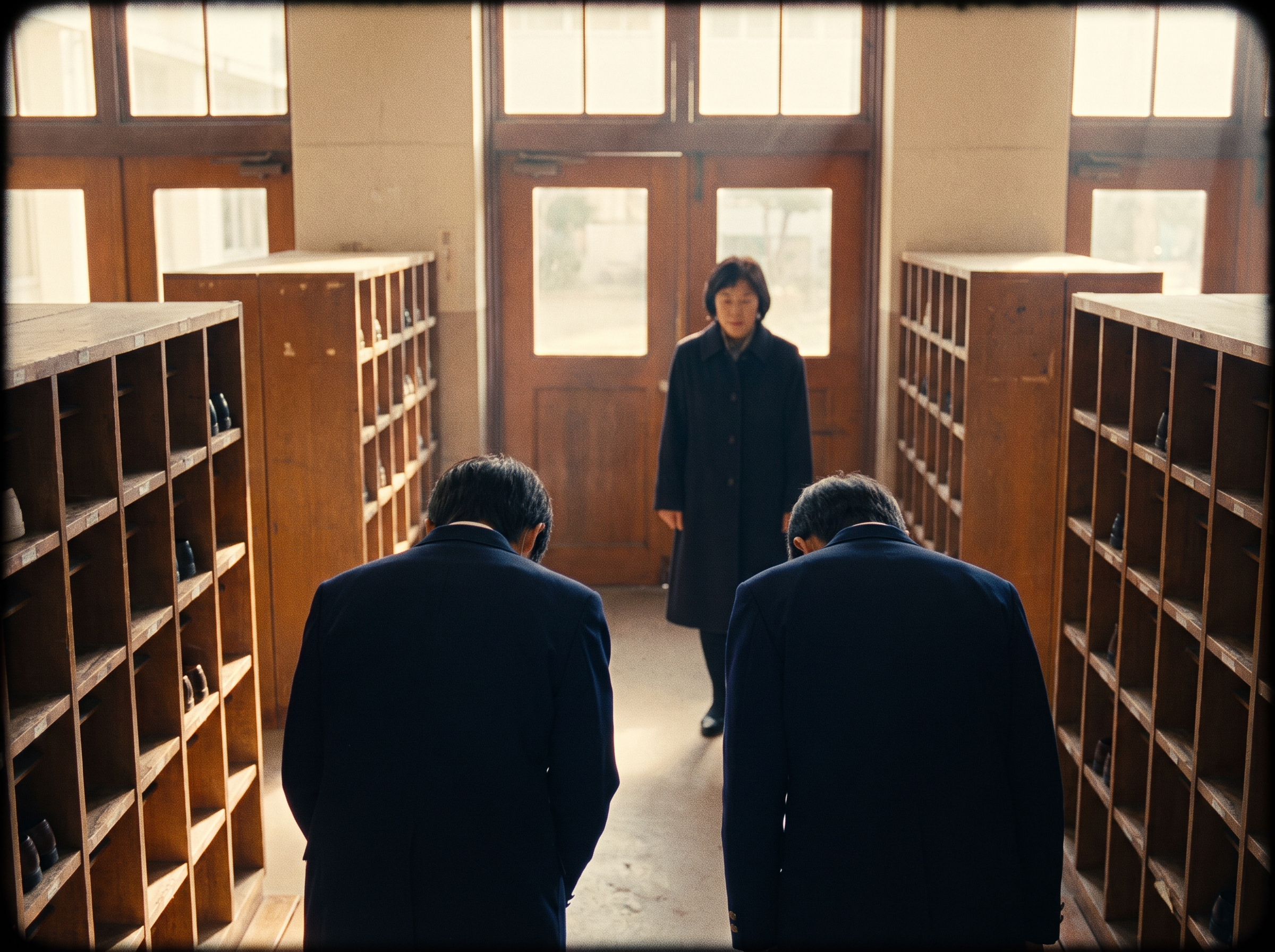
From greetings to everyday manners, students experience how respect and consideration are practiced throughout school life.
 03
03
Built through everyday practice.
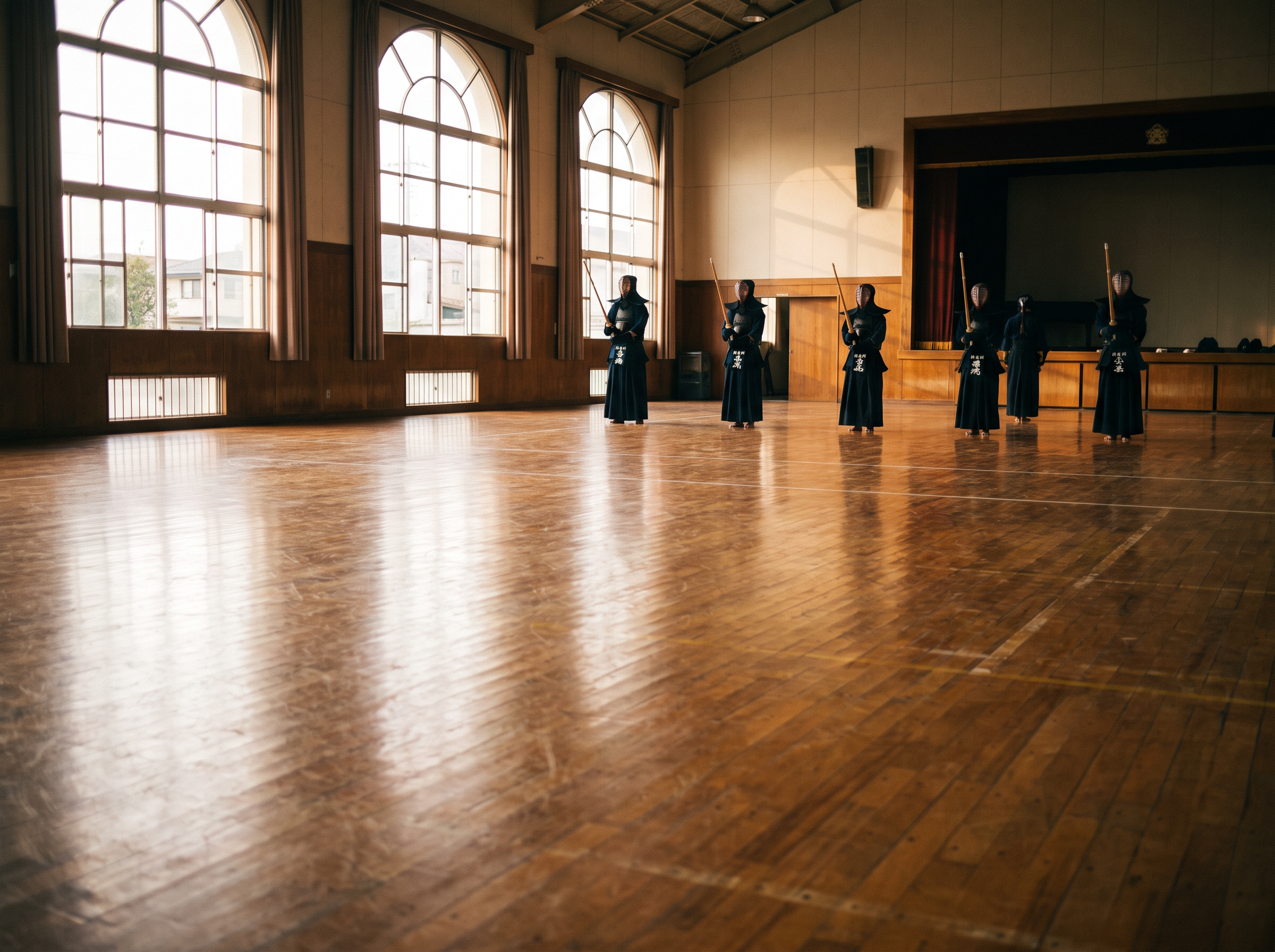
From club activities to classroom routines, students learn the value of commitment, consistency, and showing up for others.
Chosen by the student, not assigned.
Most programs assign a placement. We start from your student's preference: school type, prefecture, urban or rural.
Students can start from zero. We go through each student's language level at the pre-placement consultation.
For programs under one month, students can be placed at the same school together as a group.
Select the timing and duration that suits your student.
*¹ Shorter formats such as two weeks can be arranged depending on the partner school.
*² Term length follows each school's term calendar.
The Japanese school year runs from April to March, in three terms. Here is where each program sits.
Short (up to 1 month) can start at almost any point in the school year.
A January-start Term is shorter than other start dates.
Term dates vary by school. Most Japanese high schools follow a three-term year with breaks in summer, winter, and spring.
Some schools reshuffle classes in April, when the Japanese school year begins. For students entering their first year of high school, we recommend a September start.
Six 50-minute periods, lunch in the classroom, cleaning, and club activity.
The class gathers with its homeroom teacher before lessons begin.
Four 50-minute lessons with a 10-minute break between each.
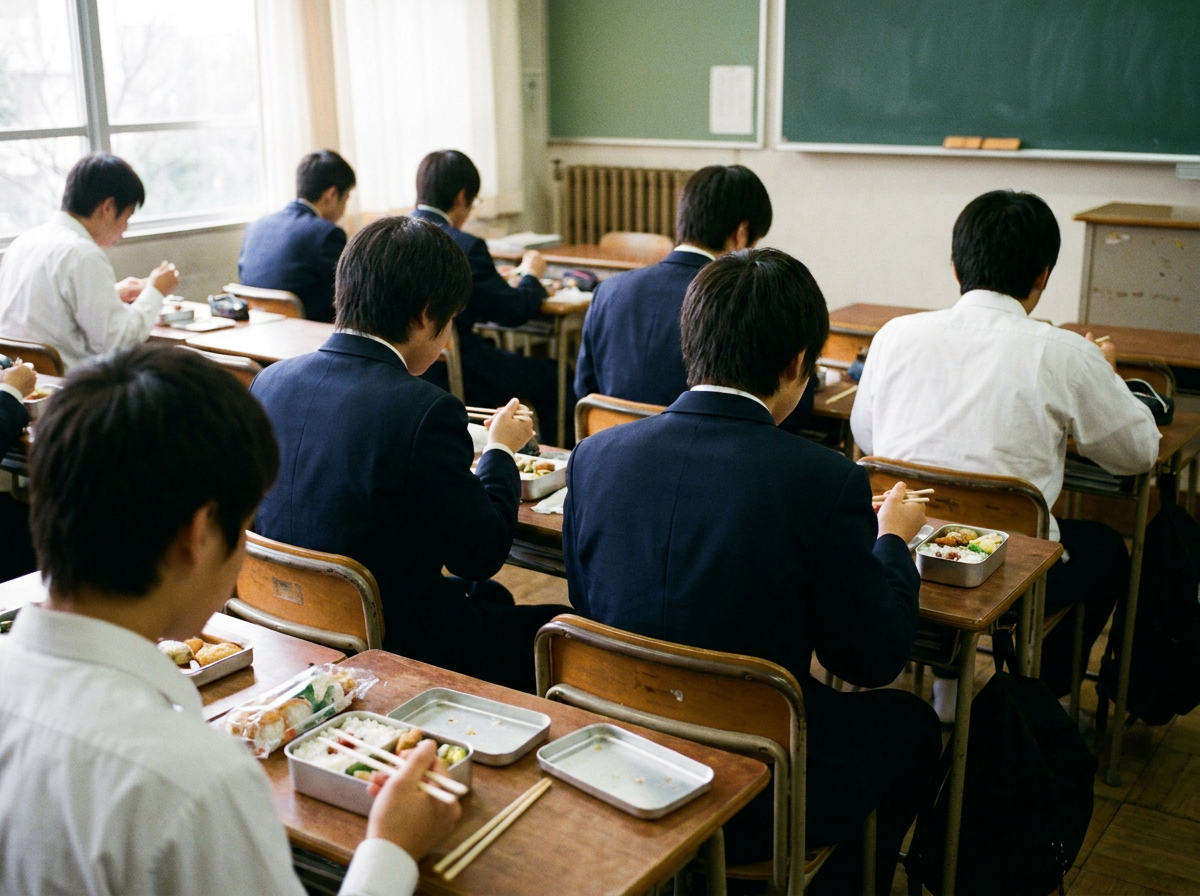
Students eat at their own desks, usually a bento brought from home. Some buy lunch at school.
Two more lessons to close the academic day.
The day is closed out with the same class group it started with.
Students clean their own classroom and the shared areas of the school. There are no cleaners.
Sports, music, tea ceremony, calligraphy. Most students belong to one club and attend almost every day.
Times vary by school. This is a typical weekday at a Japanese high school.
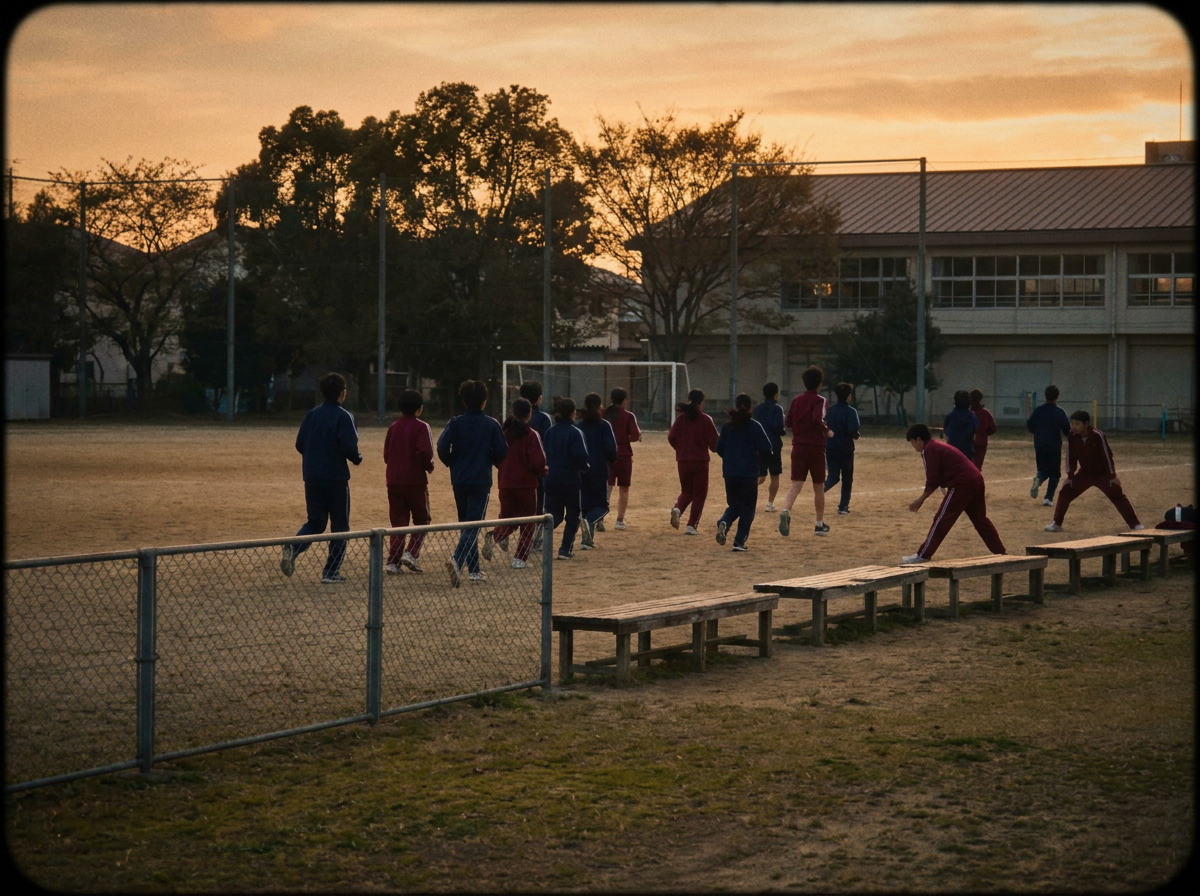
Clubs are where friendships form. Tell us which ones interest your student and we will look for schools that offer them.
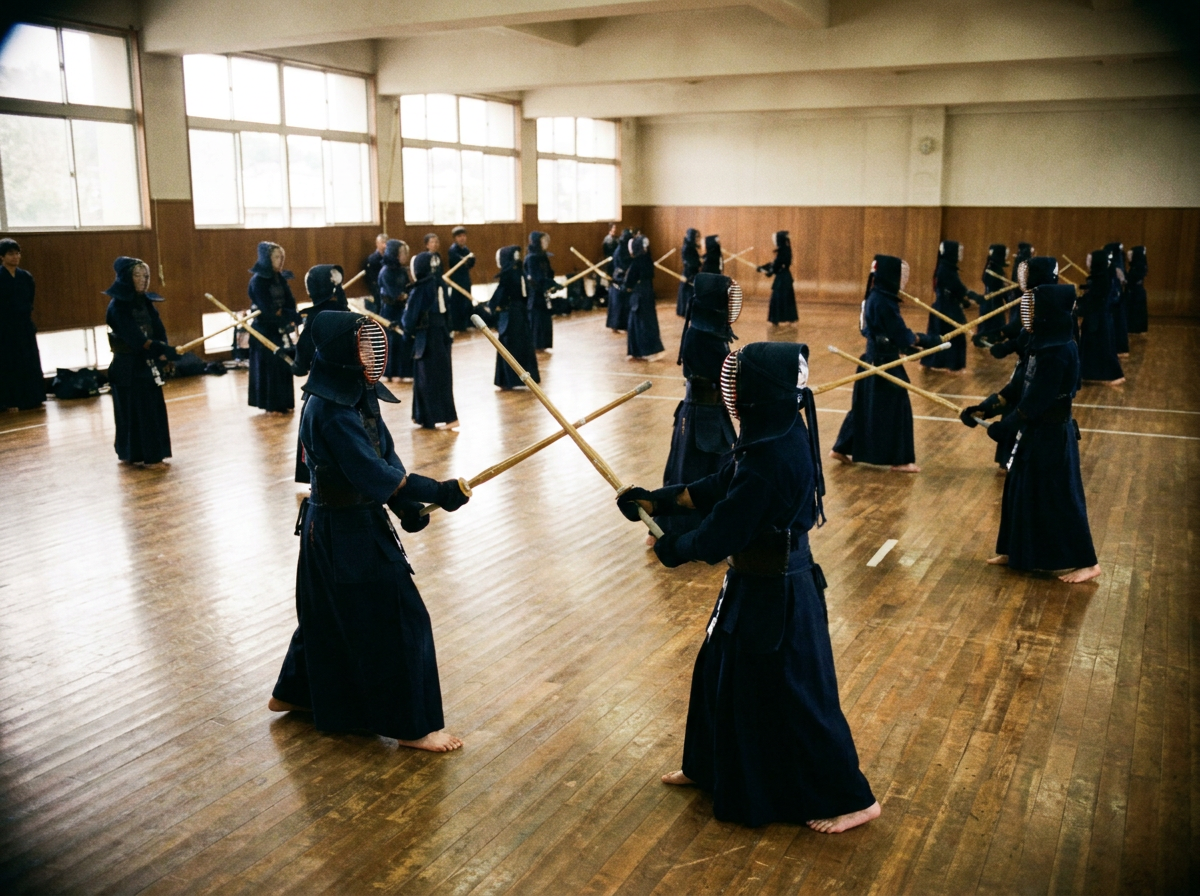
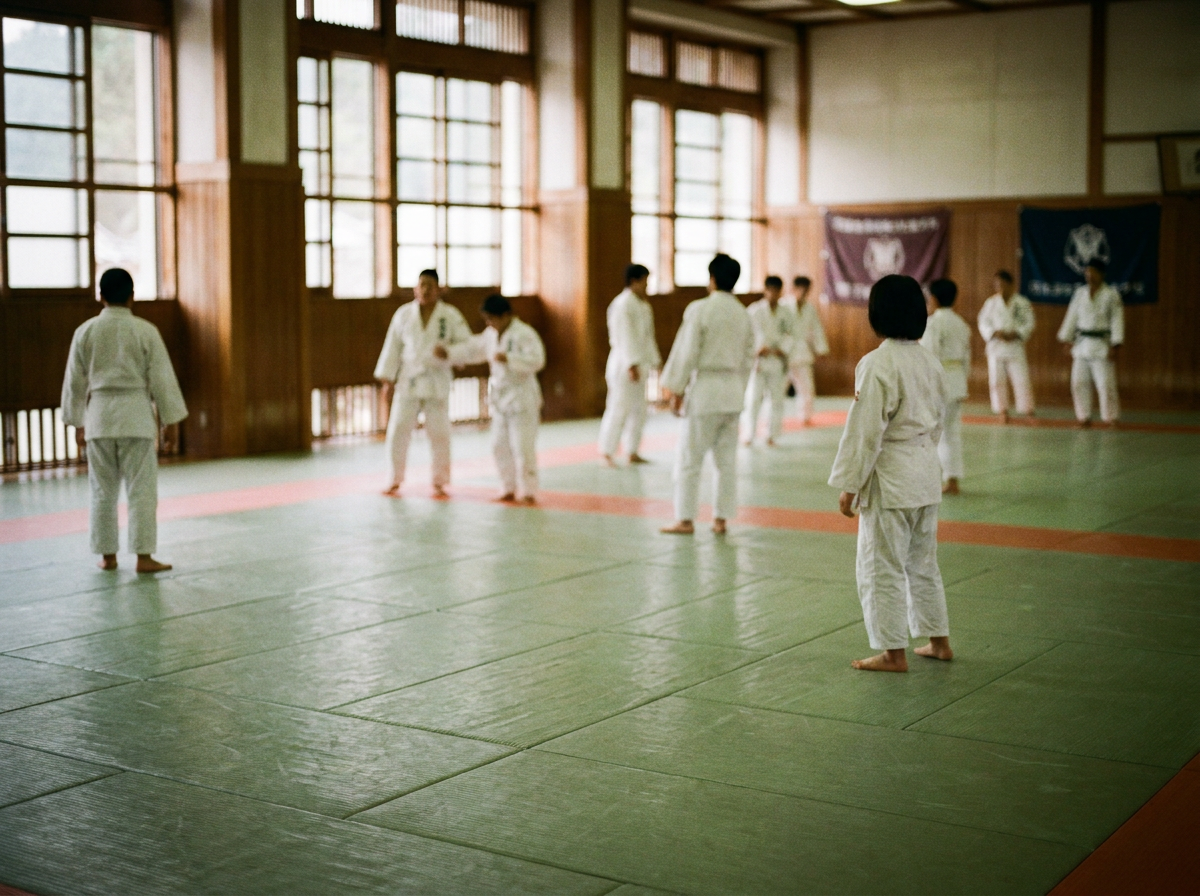
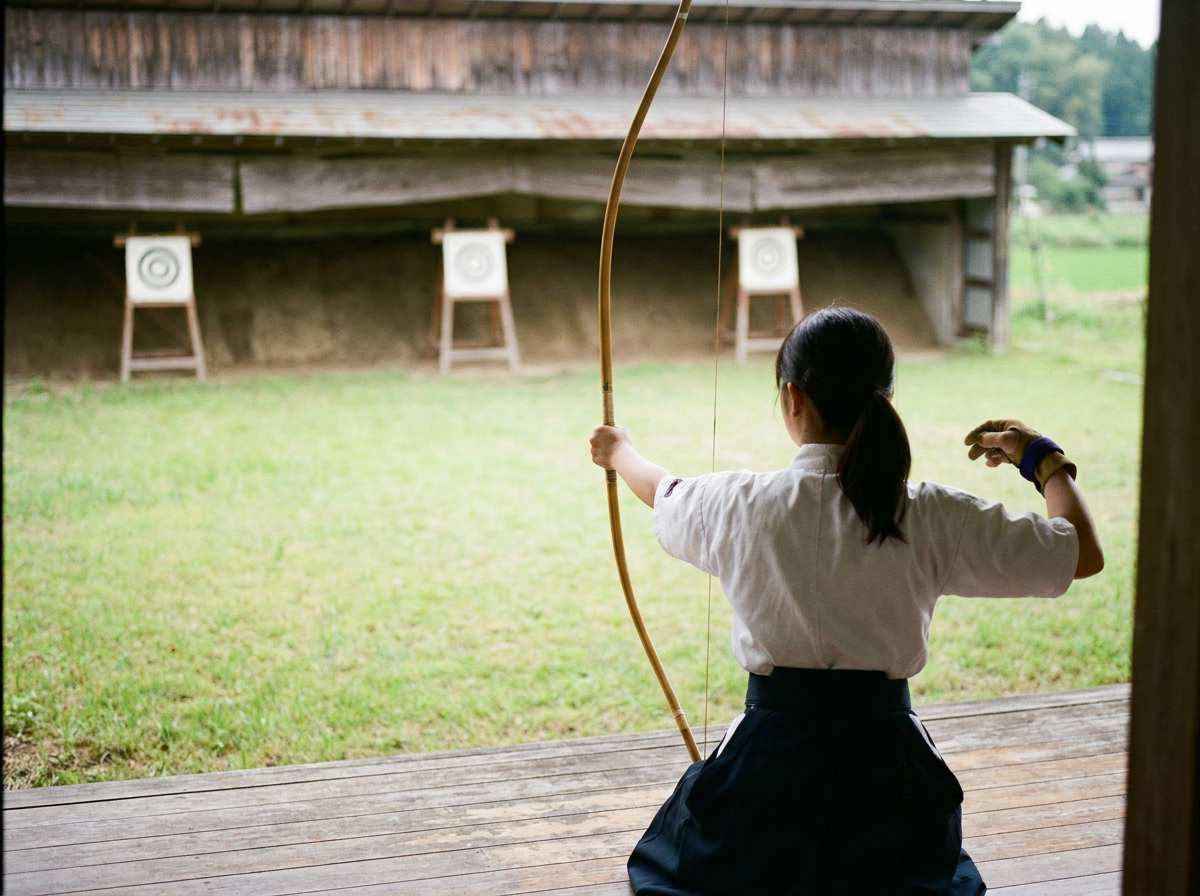
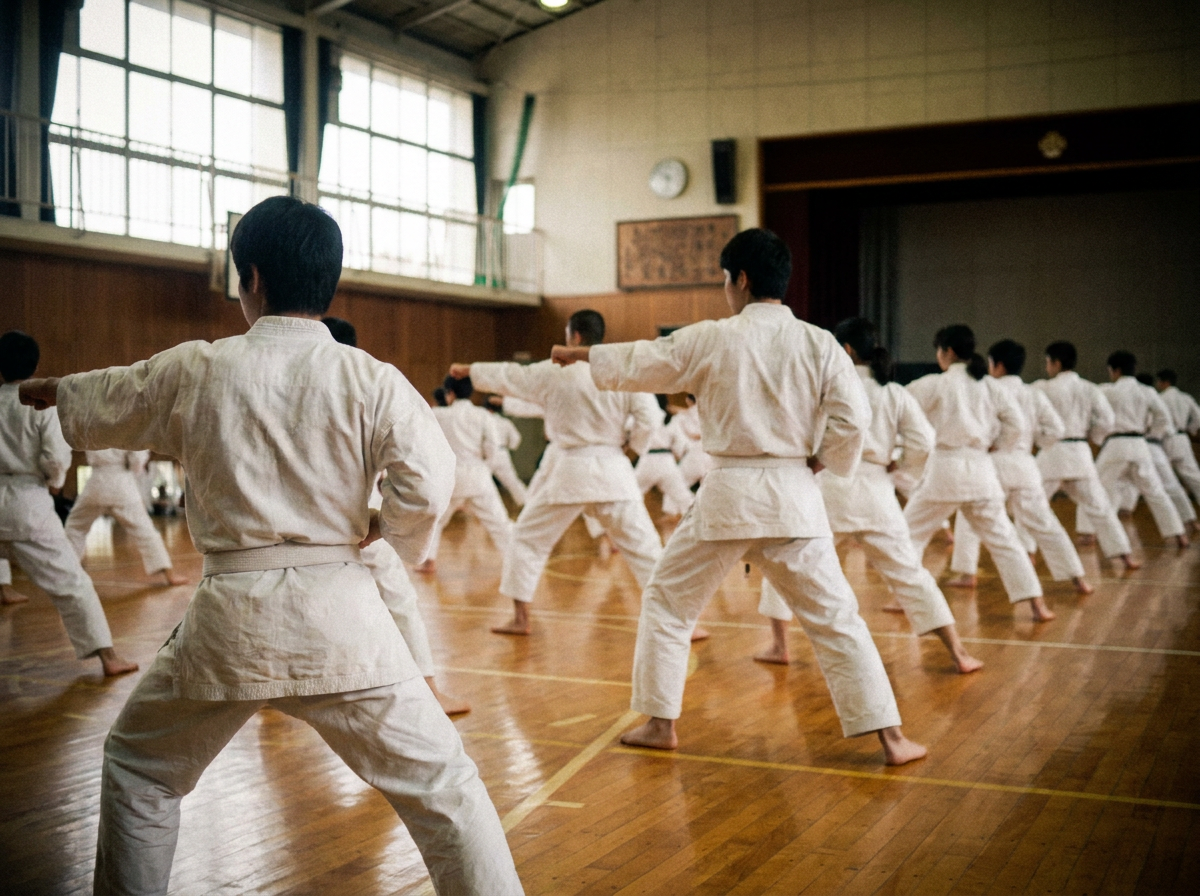
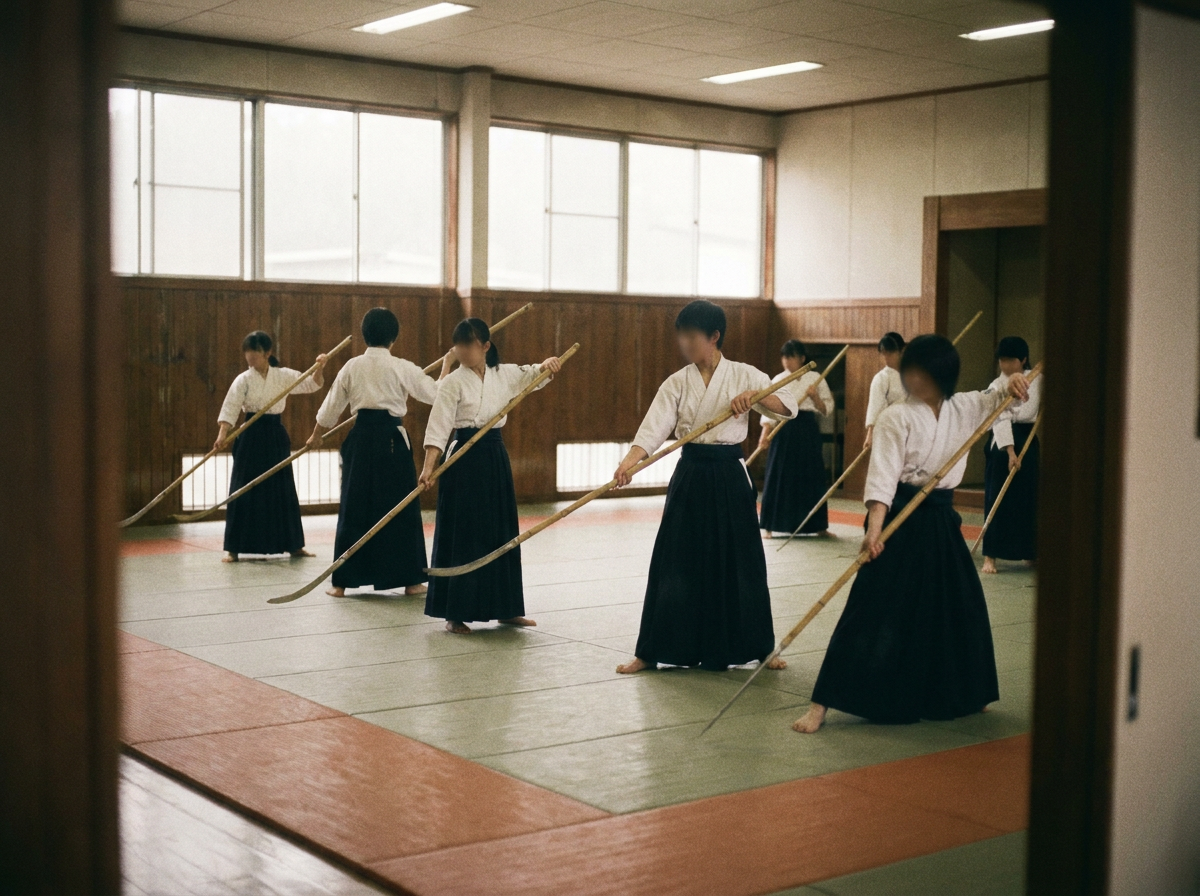
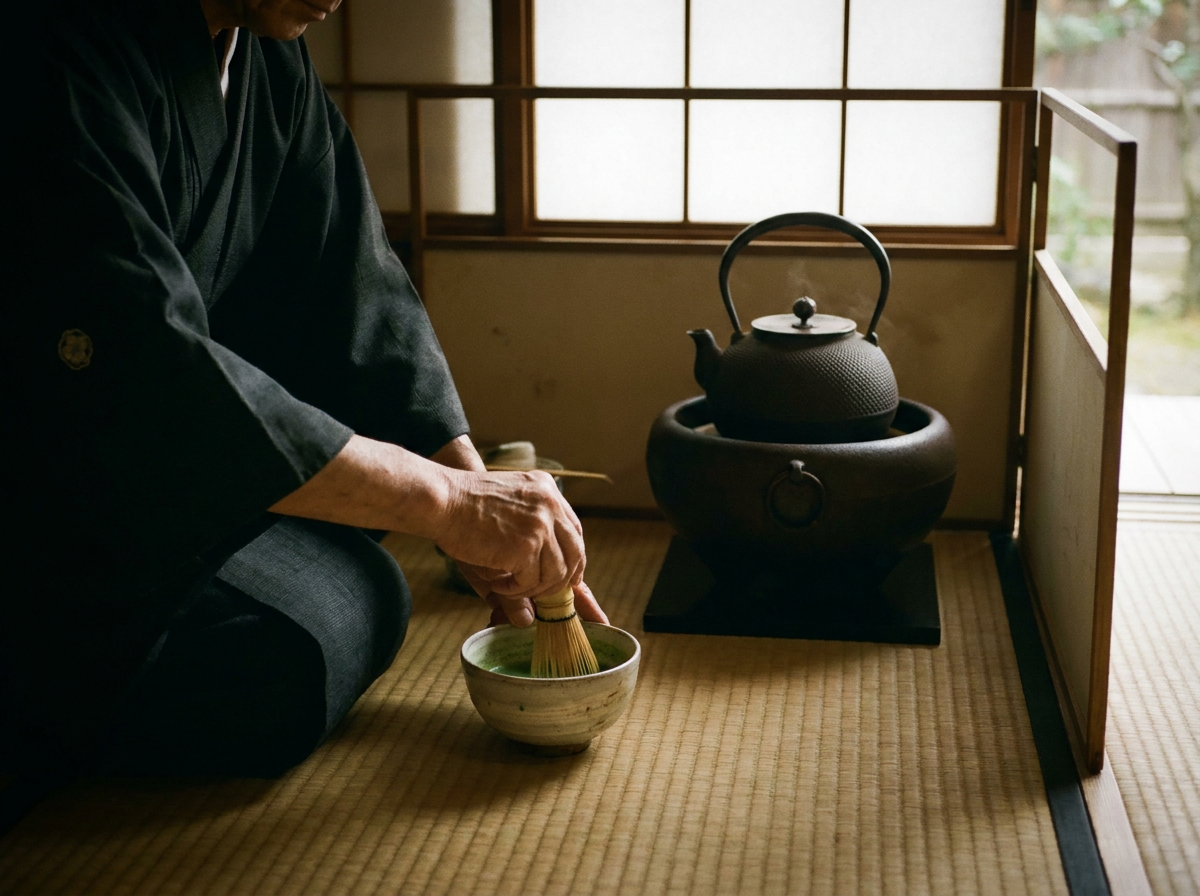

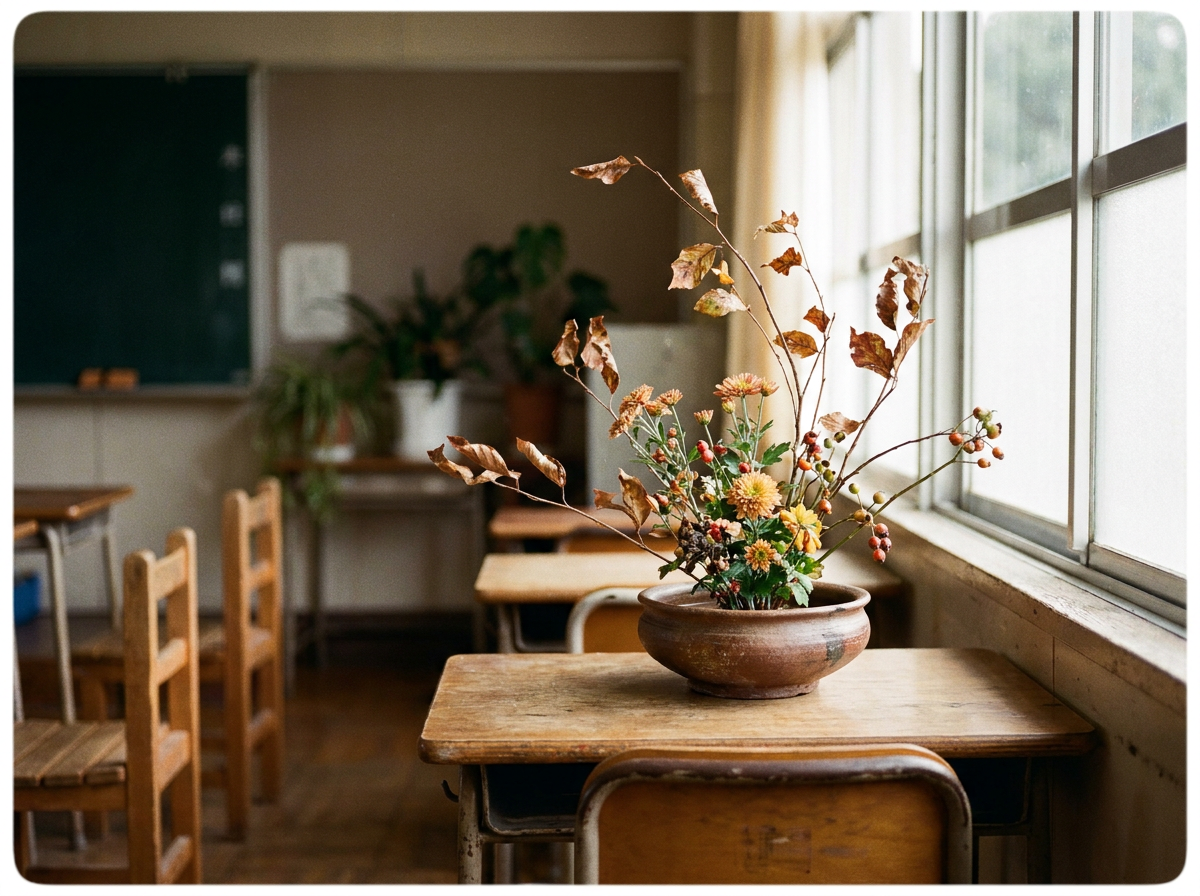
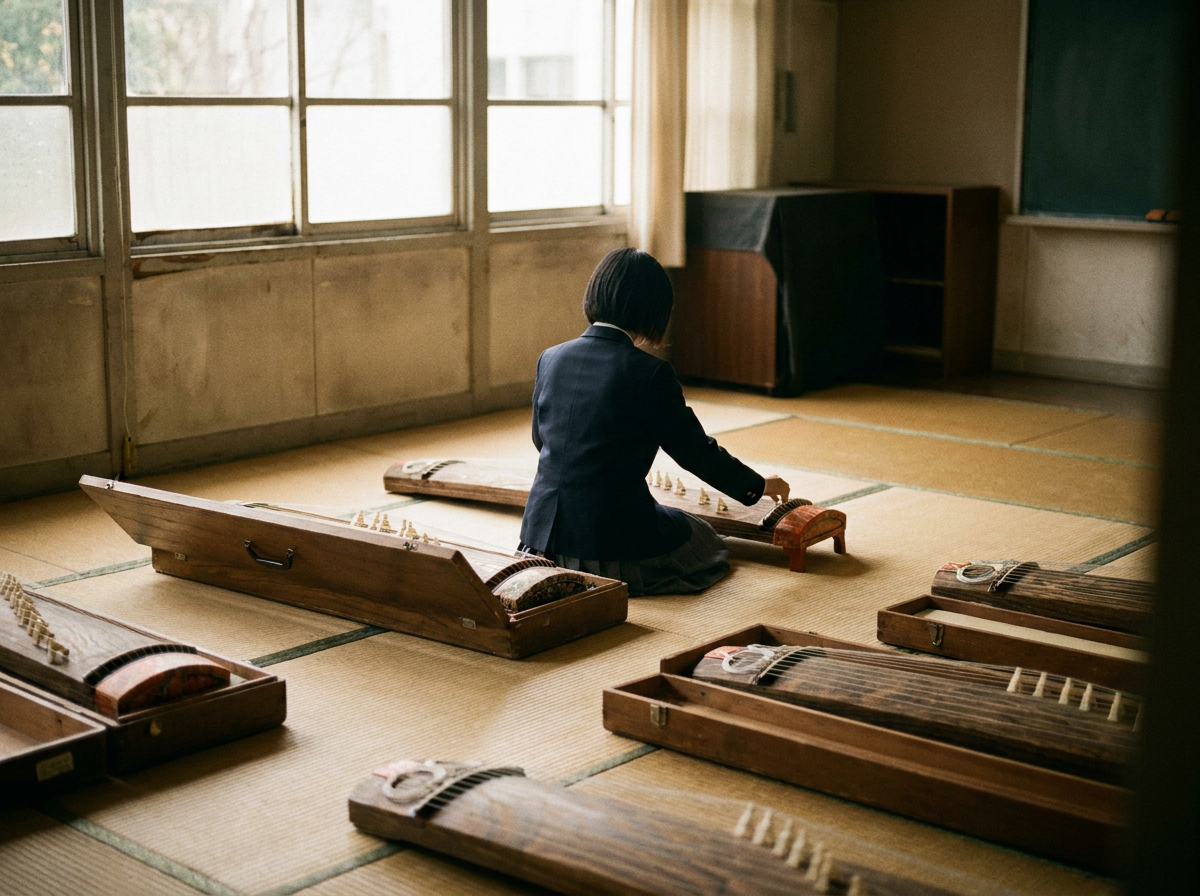
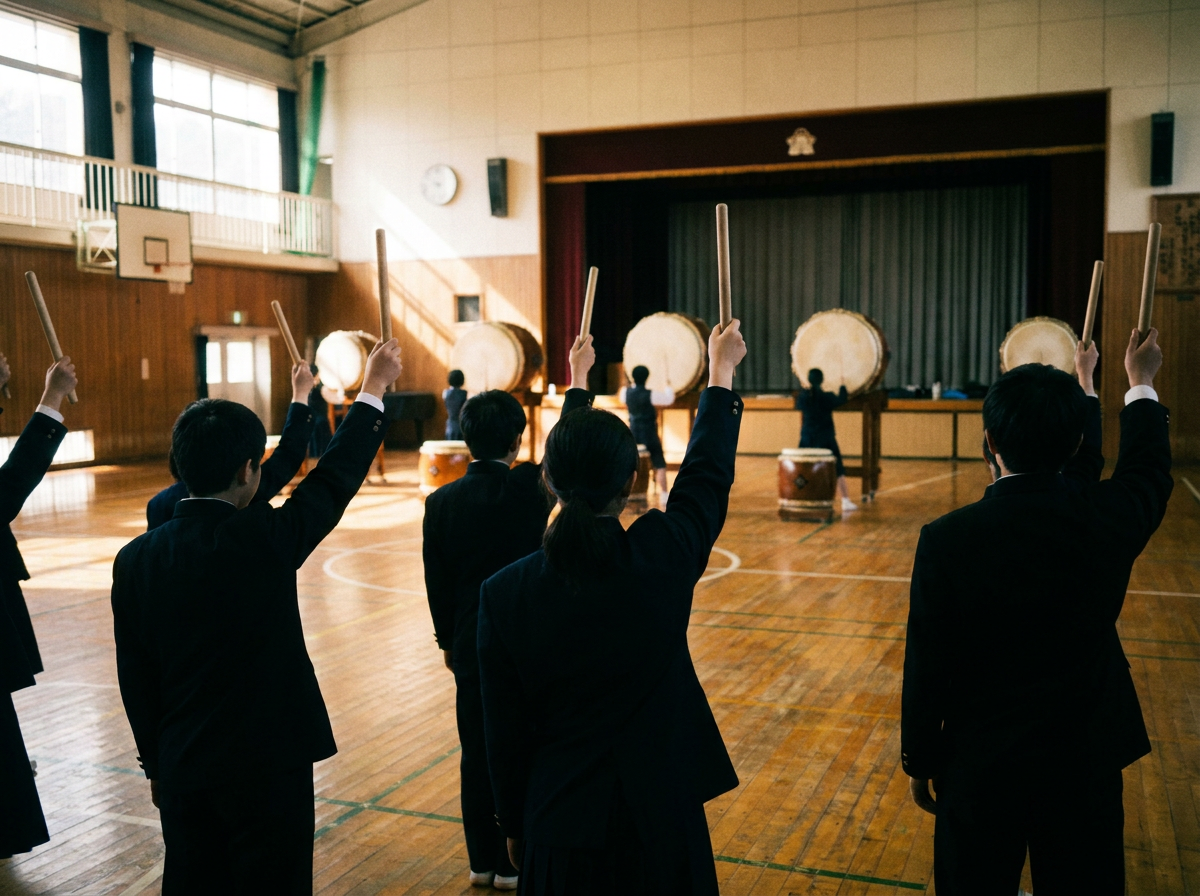
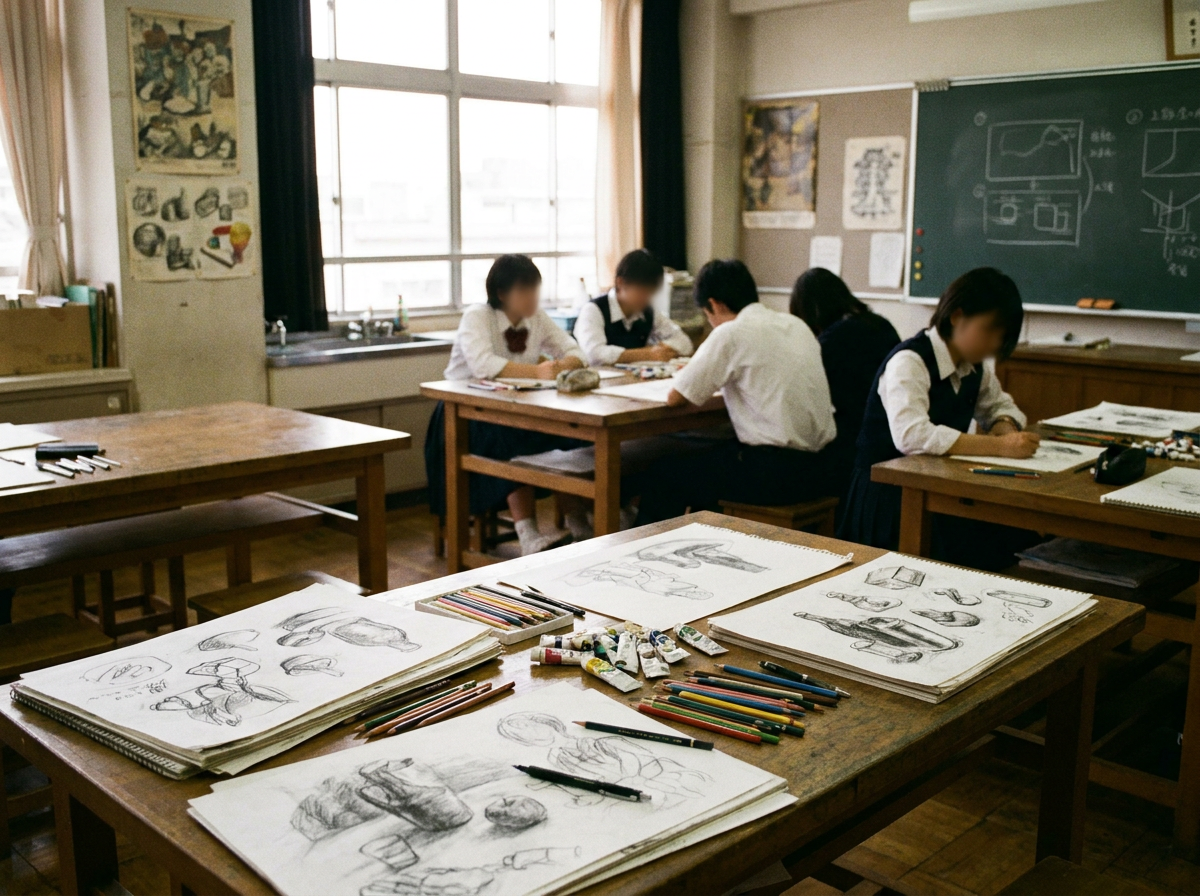
Clubs differ by school. Availability is confirmed when we confirm the school.
Three choices define the placement. We build the rest around them.
Two different experiences serving different students' needs. IB is available at selected partner schools.

Life at the scale of a station, a shopping street and a school. Commutes by train.
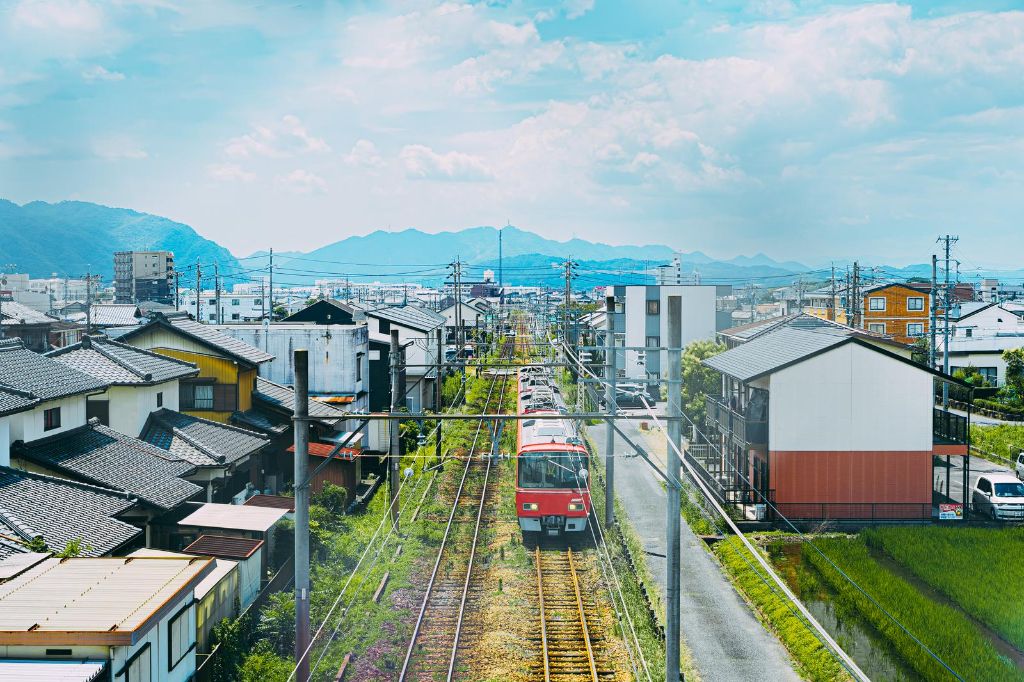
Quieter residential towns within reach of a large city.
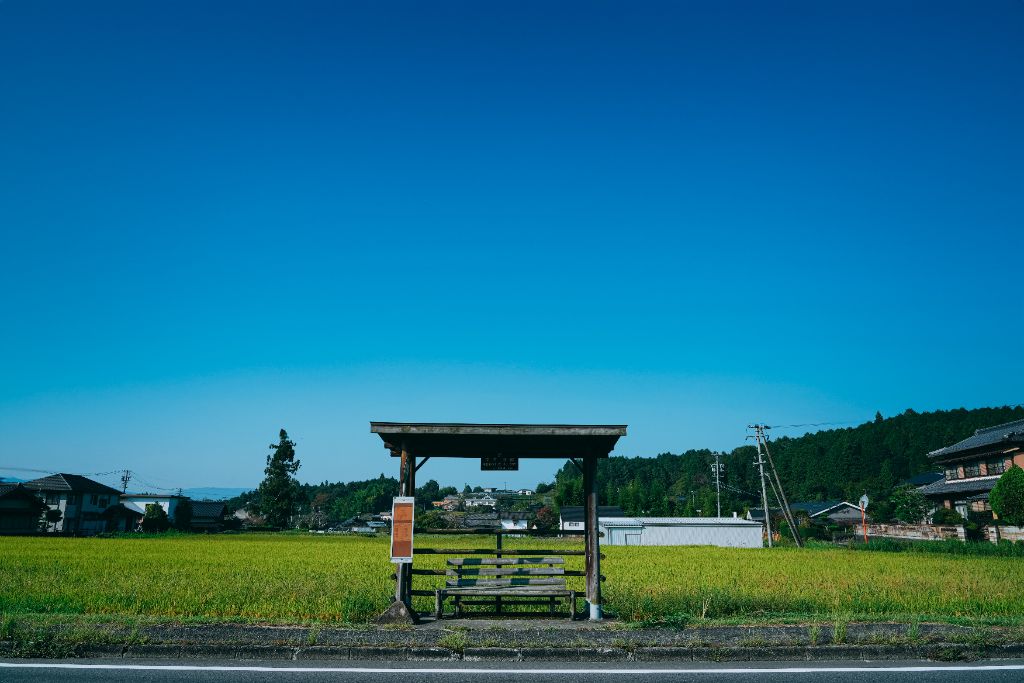
More space, more nature, fewer trains. Host families often have a car.
Placement is confirmed school by school. Individual school profiles are shared once your preferences are confirmed.
A second family, not just a room. Host parents look after the student's day-to-day life in Japan.
A daily check-in, set study hours, and an adult on site, with meals and shared facilities included.
Homestay is our standard arrangement. Host families are paid, screened and supported, not volunteers.
A full experience, with safety built in.
Our safeguarding policy, code of conduct, and emergency protocol are available on request at any stage of the conversation.
Written policies covering students, host families, and schools.
School rules are shared in writing with every student before departure.
*¹ Events that fall within the stay depend on the entry term and each school's calendar. Overnight school trips or events may carry an additional cost to participate and are optional.
*² A Certificate of Completion is issued for every program. An attendance record and an unofficial copy of the academic record are available for Term or longer programs. An official sealed transcript (two copies, posted) is available as an optional service for Term or longer programs. Whether any record is recognized for credit is decided by the student's home school.
*³ Some schools provide a set school lunch, some have a canteen or shop, and some host families prepare a bento. We confirm the arrangement at school confirmation and include it in the quote where the school operates a set lunch.
Tell us what you are looking for and we will send you a quote.
Request a quoteSpots tend to fill up before the deadline. Please register early.
For programs of 90 days or less, a shorter timeline applies.
Yes. No prior Japanese study is required. However, a higher language level widens the range of schools available. Once placed, we strongly recommend an intensive online Japanese course to get the most out of the stay in Japan.
Yes. We start from the student's preference on school type and prefecture, then confirm availability with our partner schools. Individual school profiles are shared once preferences are confirmed.
A local contact line is operated with our in-country team. We accompany and interpret at severe medical visits, and follow a pre-agreed escalation tree from the school, to Eduvel, to your agent, and to the parents.
An application fee on submission, a deposit of 20% of the program fee within 10 days of conditional acceptance, and the balance 5 months before arrival (4 months for short-stay programs). The deposit is deducted from the program fee.
Tell us at the application stage. We share dietary and medical needs with the school and host family in advance, using our health form.
Yes. Japanese high school students wear the school's uniform, and it is included in the program.
It depends on the school. We confirm the weekly schedule when we confirm the school.
A Certificate of Completion is issued for every program. For Term or longer programs, an attendance record and an unofficial copy of the academic record are available, and an official sealed transcript is available as an optional service. Credit can be provided at selected IB schools. Whether any record is recognized for credit is decided by the home school. Please contact us for details during the application phase.
Yes. Phone use follows the school's rules and the host family's house rules, which we share before arrival.
Yes. Visits need to be requested in advance. They are arranged during school holidays, not on school days.
Tell us about your student and what you are looking for. We will tell you which schools can take them.